


Tar spot fungus behind browning maples in Aylmer
Tashi Farmilo
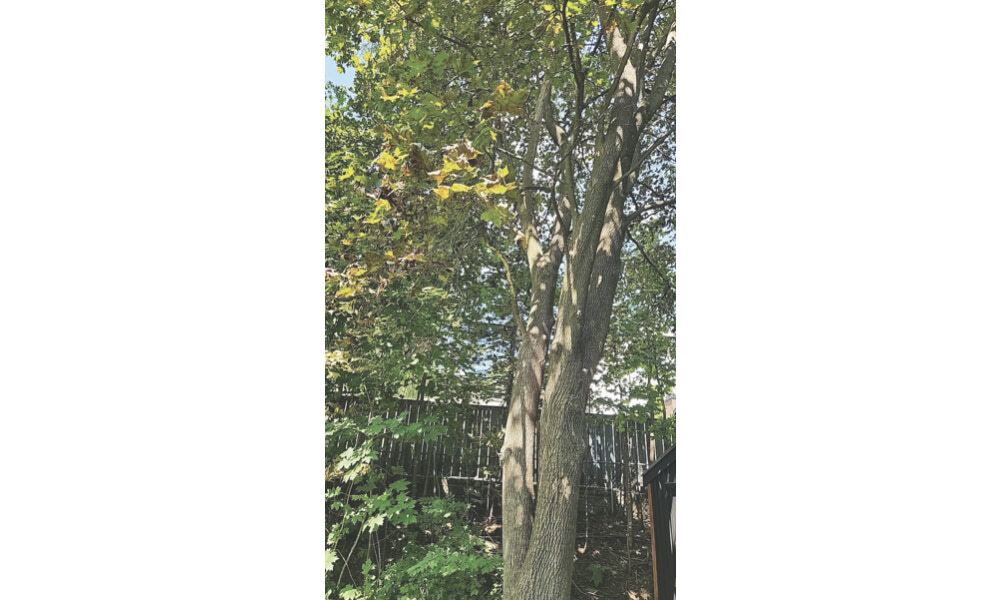
Norway maples turning brown and shedding their leaves across Aylmer this summer are affected by tar spot, a common and largely harmless fungal disease, the City of Gatineau said, easing fears of a widespread die-off after residents near rue Lord-Aylmer raised alarms in recent weeks.
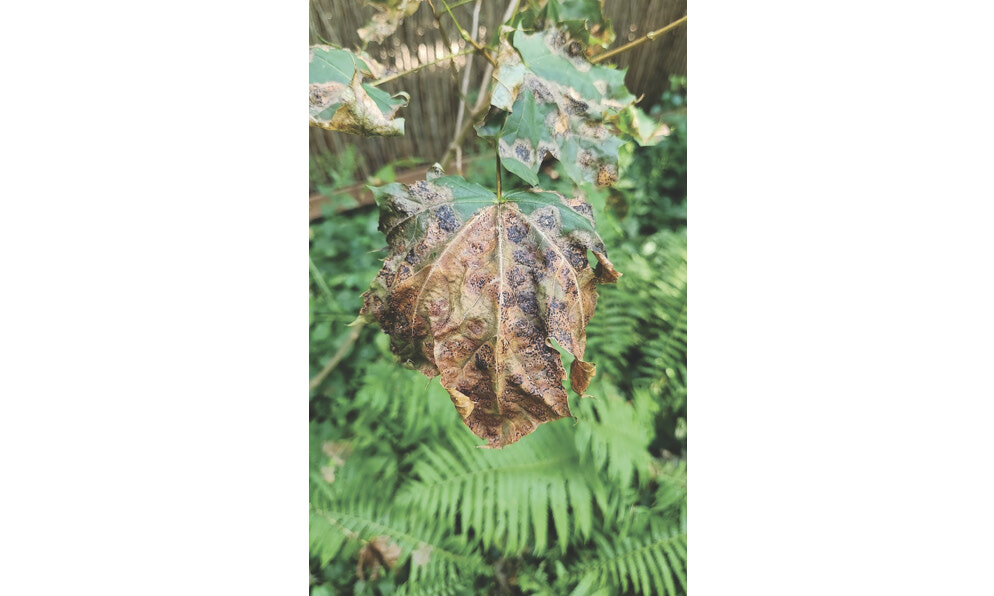
The concern spread online after Aylmer resident Marie Filion posted photographs of the maples in her neighbourhood on the Aylmer community group on Facebook, asking whether the trees around her house were dying. Filion, who lives on promenade Lakeview, said the problem seemed far larger than her own street. "I can see it all over the city," she said. "It's all of them."
She said the trees had looked healthy a year earlier. "We moved in last fall at our new house, and the trees were perfect," she said. Strong winds from the August 12 storm stripped much of the remaining foliage and blew some trees down, including one near her home that snapped in half, leaving her hoping the damage was limited to the leaves. "I'm really hoping it's just like a leaf thing, and it doesn't eat the inside of the trees."
Another resident, Chantal Lancaster, replied that she was seeing the same thing on her Queen Street property in Glenwood, and that only one type of maple in her yard was affected while the others stayed healthy. "The leaves have large brown splotches on them and have dried up and started to curl," she said.
That pattern matches what the City found when it investigated the complaints. The affected trees are Norway maples with tar spot, the City's communications department said. They described the disease as "caused by a fungus and very common in Norway maples," adding that it "is mainly cosmetic and has little effect on the health of the trees."
Tar spot works entirely on the leaves. Small yellow spots appear earlier in the season and darken into raised black marks resembling splashes of tar by late August and September. Alarming as they look, the spots never reach the wood or roots, which is why arborists treat the disease as a cosmetic nuisance rather than a threat to a tree's life.
Norway maples, widely planted along city streets, are especially prone to the disease, and this summer's weather gave it an ideal season. The City said the conditions were very favourable to the fungus, which thrives in wet, humid and cloudy weather when moisture lingers on leaves long enough for spores to take hold. That may explain why so many trees turned at once. The disease can bring leaves down earlier than usual in the fall, but the loss does little lasting harm. Healthy mature trees typically leaf out normally the following spring, and fungicides are rarely recommended for established trees in a home setting.
Residents can help by clearing fallen leaves. "The only action that can be taken by citizens is collecting the leaves in order to prevent the spread of the fungus," the City said, since the spores overwinter in dead leaves on the ground and infect fresh growth the next spring. Raking them up each fall breaks that cycle and reduces the problem over time.
For maples showing browning, curling or heavy leaf loss elsewhere in Aylmer, the City is asking residents to note the exact location of the affected public trees and submit a request to its call centre at 3-1-1 for a technician to inspect them. Tar spot is the likely cause, but the City said trees outside the rue Lord-Aylmer area would need to be checked individually to confirm what is affecting them.