


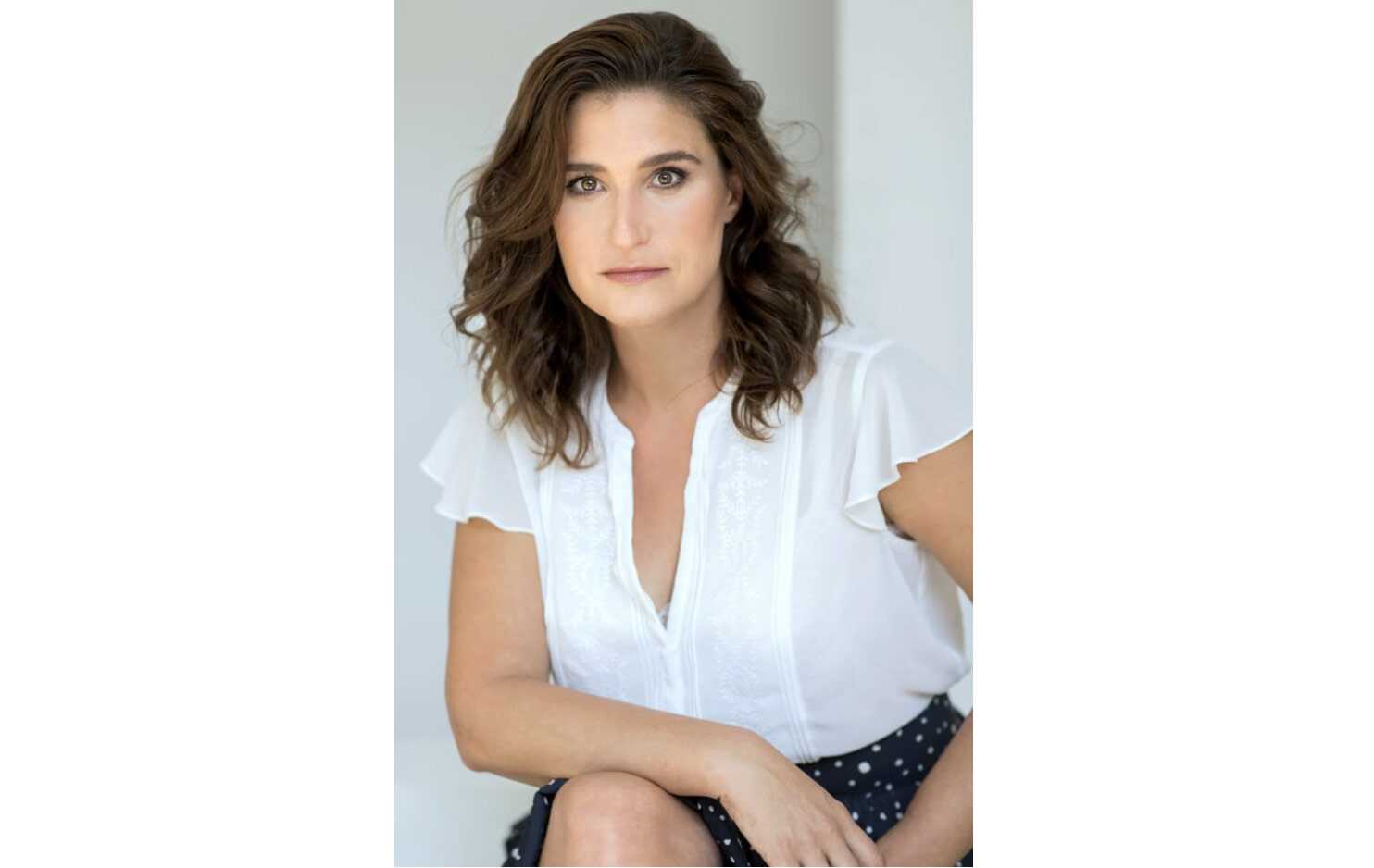
Salomé Corbo, the actor and longtime spokesperson for the Fondation pour l'alphabétisation, urged Quebec adults that it is never too late to return to school as the foundation marked 15 years of its Retour réussite scholarships on International Literacy Day, honouring 20 recipients including three from the Outaouais. Photo: Julie Perreaul
Quebec literacy foundation marks 15 years of adult scholarships
Tashi Farmilo
Twenty Quebec adults who returned to school later in life were honoured on International Literacy Day, September 8, as the Fondation pour l'alphabétisation marked the 15th year of its Retour réussite scholarships, with three of this year's recipients coming from the Outaouais. Each laureate received $1,500 to support their return to studies, with the awards presented in partnership with the Fondation Desjardins to recognize adults who have rebuilt their reading and writing skills against long odds.
The foundation used the occasion to shine a light on how many people quietly share the same challenge, and how much stands to be gained when they get support. Citing a 2026 Léger survey, the foundation notes that roughly one working-age adult in two finds it hard to read long or complex texts, a reality it says is far more widespread than most Quebecers realize.
For the actor Salomé Corbo, the foundation's spokesperson since 2014, that hidden struggle is the heart of the matter. Many people who read with difficulty get by on resourcefulness and intelligence, she said, but the strain shows at decisive moments. "Often, these people are very resourceful, and their intelligence allows them to thrive despite the challenges," Corbo said in written answers, translated from French. "However, when it comes to informing themselves or making important decisions, they may sometimes need help, which can create a feeling of insecurity and even embarrassment."
Corbo framed literacy as a question of freedom and possibility rather than charity. "I am convinced that Quebec society could be even healthier and more prosperous if each of us could reach our full potential," she said. "Having a good level of literacy means being a citizen who is even freer to make informed choices." With an election underway and health and social services dominating the debate, she argued that education deserves a larger place in the conversation. "It is seen as an expense when it is an investment," she said. "An educated person is richer and healthier."
Corbo is a familiar face to Quebec audiences, best known as Caroline in the prison drama Unité 9 and for her years in the Ligue nationale d'improvisation. She said that a public profile is a tool she puts to work for the cause. "Being a well-known figure helps draw attention to the cause," she said, adding that her stage training lets her "speak with fervour and eloquence about a subject I consider fundamental, the freedom of choice and action that comes with literacy skills."
The Retour réussite program has grown well beyond its origins over 15 years, reaching adult learners in regions across the province. This year's group of 20 included three women from the Outaouais, a local presence the foundation points to as evidence that the return to learning is happening in communities like Aylmer, not only in the province's larger centres. Adults in the region who want to take the same step can reach the foundation through its Info Alpha and Info Apprendre helplines.
What moved her about the laureates, Corbo said, is "their resilience, their courage, their determination and their pride," qualities she attributed to "people who surpass themselves and who command admiration." Her message to anyone who sees themselves in those stories but fears the moment has passed was warm and direct."It is never too late," she said. "A single call opens the door to a new life filled with pride. It won't be easy, but it changes lives."