


In the Moonlight
On the night of October 31 to November 1, we switched to Eastern Standard Time. By setting our clocks back, we gained an hour of sleep—much to the delight of some. On the other hand, sunset comes earlier now, and darkness will set in earlier and earlier over the coming weeks.
Fortunately, we can count on the moon to light up our night sky. Since time immemorial, this celestial body has fascinated humans and given rise to a multitude of myths and legends.
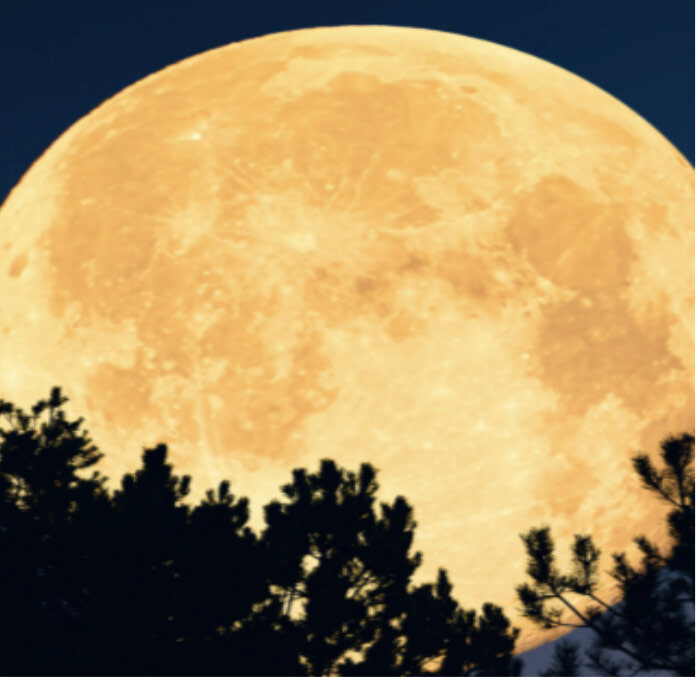
Did you know that Native Americans gave names to the full moons? The November full moon, which we’ll be able to see on the 24th, is called the Beaver Moon. It’s a supermoon, which means it will appear slightly larger and brighter due to its proximity to Earth.
The spectacular effect of a supermoon is easiest to see at moonrise and moonset. Low on the horizon, the moon appears enormous to us. This is, in fact, an illusion.
Every full moon illuminates, transforms, and brings the Deschênes Forest to life.
On November 24, let’s keep our eyes on the sky to admire the super Beaver Moon!